Hutto summers don’t politely ease in. The heat arrives fast, and the house follows with it. One afternoon you’re wiping condensation off a window after the first hard run of the season, and the next you’re listening to your AC struggle, cycling too often, or blowing air that feels more like a gentle suggestion than relief.
When that happens, the real question isn’t “DIY or pro?” It’s whether the problem you’re seeing is the kind you can fix safely and reliably without creating a bigger mess. I’ve AC Repair in Hutto helped homeowners diagnose issues over the phone where the right move was to shut it down immediately and call a technician, and other times it was totally reasonable to swap a $20 capacitor or replace an air filter. The trick is knowing the difference.
Let’s talk through how to make that call for AC Repair in Hutto, HVAC repair in Hutto, and anything tied to keeping your home comfortable without burning money.
Start with what your AC is doing, not what you hope it’s doing
The most common mistake I see is homeowners reacting to symptoms instead of patterns. “It’s not getting cold” can mean several different failures, from something minor to something that can damage the compressor.
Before you reach for tools, take a minute to observe:
- Is the indoor fan running when you call for cooling? Do you hear the outdoor unit start, or does it sit there completely silent? Is the airflow strong, or weak like a clogged vent? Are there unusual sounds, like buzzing, grinding, or rapid clicking? Is there moisture where it shouldn’t be, or ice forming on refrigerant lines?
Those details guide the decision tree better than guessing. If your system turns on, but the outdoor unit never fully engages, you could be looking at an electrical issue. If the indoor fan runs but cooling is weak, that might point toward airflow problems, dirty coils, or refrigerant issues. If you see ice, the system might be freezing due to restricted airflow, low charge, or a failing component.
In other words, you’re not just troubleshooting, you’re protecting the system from the kind of extended operation that turns a solvable problem into an expensive one.
When DIY is worth it (and when it isn’t)
DIY makes sense when the task is low-risk, diagnosable without special gauges, and unlikely to cause system-wide harm. In the field, I think of DIY repairs in two categories: “maintenance that looks like a repair” and “simple component replacements where the failure mode is obvious.”
The DIY sweet spot
A few examples often fall into the safe zone:
Replacing an air filter is the classic one. In Hutto, where dust and pollen can pile up quickly, filters clog faster than people expect. If your system runs but airflow feels weak and you haven’t changed the filter in a while, a fresh one is often the first correction that actually improves performance. The filter won’t fix a failed compressor, but it can un-choke airflow, reduce freeze risk, and help your AC run as designed.
Another low-risk item is clearing visible debris around the outdoor unit. Grass clippings, leaves, and nests can restrict airflow across the condenser coil. I’ve seen systems that looked “fine” until someone noticed the cabinet intake was basically blocked. Cleaning that away can restore normal operation. Just be careful not to damage coil fins while you’re doing it.
Thermostat settings are also fair game. If the system is set to “fan only,” or the thermostat is stuck on an old schedule, you can waste hours chasing a phantom problem. Verifying basic settings often reveals the issue quickly.
Finally, there are parts replacements that some homeowners can handle responsibly, like a capacitor, but only when the symptoms and the part match clearly and you understand the safety boundaries. Capacitors are not something I recommend as a first-time repair because electrical discharge and correct diagnosis matter. Still, it’s a category where DIY can work when approached correctly.
The red flag zone
There are also situations where DIY stops being cost-effective and starts being risky. The moment a problem involves refrigerant, wiring you can’t confidently identify, or repeated cycling with no clear airflow cause, the “save money” plan turns into “pay more later.”
Here are common red flags that usually mean you should bring in a qualified HVAC contractor in Hutto rather than trying to patch it yourself:
- You suspect a refrigerant leak, the system is freezing repeatedly, or cooling improves briefly then fails again. You smell a burning odor, see scorch marks, or the breaker trips often. The outdoor unit makes loud grinding sounds or won’t start after resets. You don’t know whether the issue is electrical, airflow related, or compressor related and you keep restarting the system. The AC is low on cooling and you don’t have the tools to measure pressure, airflow, and temperature drop.
A key point: many “DIY fixes” that look harmless actually mask the underlying failure. For instance, resetting a unit that keeps tripping can hide an electrical fault until it becomes permanent damage. Opening panels and probing components without proper understanding can also lead to safety hazards and inaccurate conclusions.
Cooling systems are not just a fan and a blower. They depend on correct refrigerant behavior, proper airflow, and stable electrical performance. When those factors get out of sync, guessing costs real money.
The moment you should stop DIY and call a pro
If you only remember one thing, remember this: if the problem requires measurements, controlled testing, or access to components that could create safety issues, pro help is the smarter move.
The best technicians don’t just swap parts. They verify what’s happening. That means checking airflow, checking electrical inputs, assessing coil cleanliness, and using the right diagnostics to determine whether the issue is reversible or whether the compressor or refrigerant system is likely Visit our website compromised.
For homeowners, that translates into fewer repeat visits and fewer “we tried this already” moments.
If you are trying to decide whether to call Jurnee Mechanical Heating & Air Conditioning or tackle it yourself, ask yourself whether you can answer these questions without special tools:
What is your temperature drop across the evaporator? Is the outdoor coil getting adequate airflow? Are you seeing evidence of compressor stress or restricted flow? Is the control voltage and electrical setup stable?
If you can’t confidently answer, it’s not a test of intelligence. It just means the system needs a different kind of knowledge and equipment.
DIY troubleshooting that actually helps (without turning into guesswork)
Even if you end up calling a technician, a bit of careful observation can make your appointment faster and cheaper. The goal is to document what you see, not to randomize repairs.
Here’s a simple approach I recommend to homeowners:
First, confirm the thermostat is calling for cooling and the fan setting is correct. Then check the air filter. Look for visible airflow restrictions at supply vents and return pathways. Next, inspect the outdoor unit area for obstructions and make sure the unit has clearance. While you’re doing this, pay attention to sounds and whether the outdoor unit starts at all.
If you notice ice on the line set or coil, don’t keep running it. Ice usually means airflow is restricted or the system is struggling to move heat. Running it while frozen can worsen the problem.
If you’re comfortable opening the indoor unit panel, you can look for obvious signs like clogged drain lines or standing water where it shouldn’t be. A clogged drain can create comfort problems and moisture issues, and it can mimic other failures.
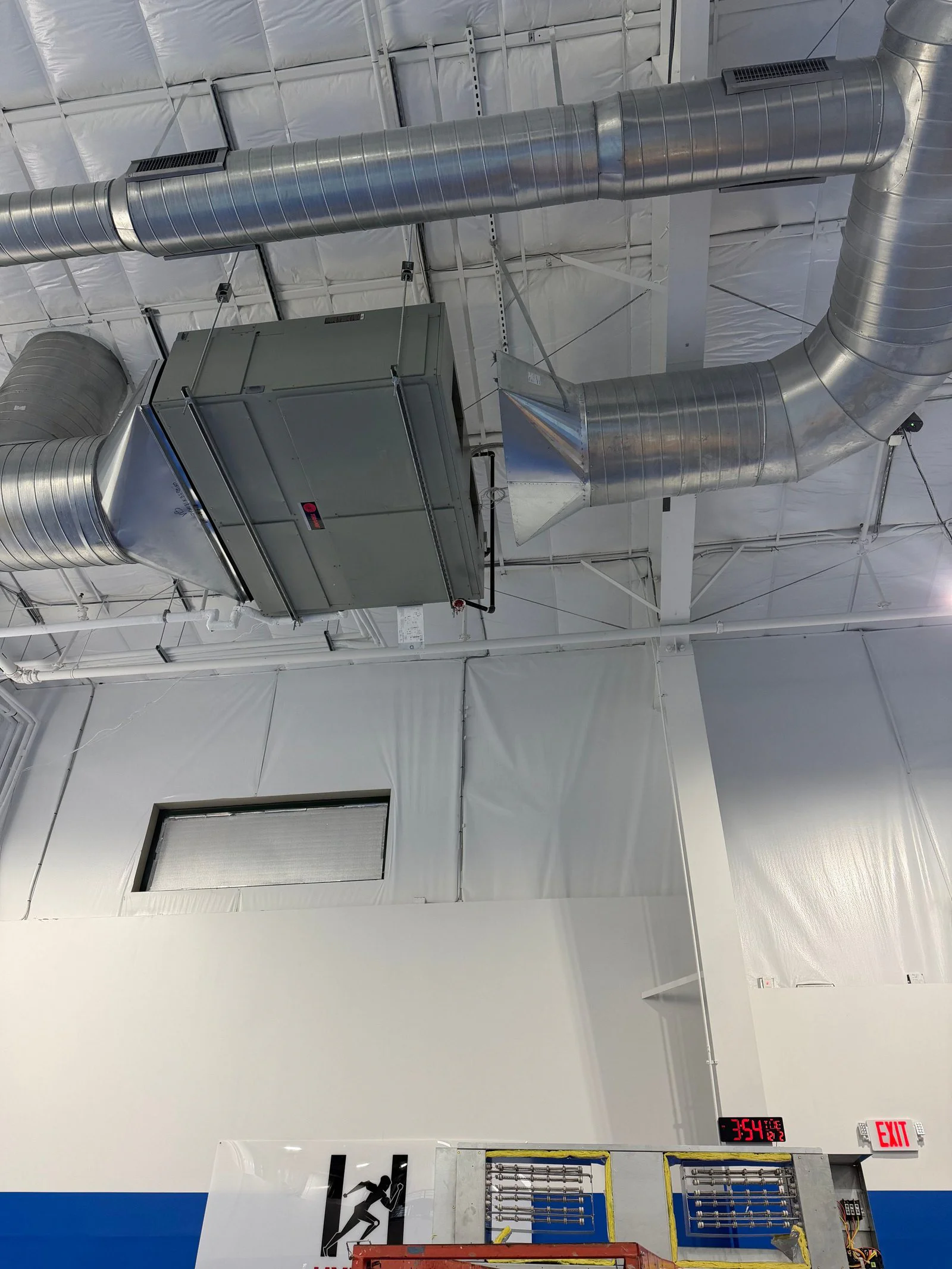
That said, don’t start replacing parts you can’t identify confidently. If you plan to do anything electrical beyond basic resets, be extremely cautious. Many homeowners have good intentions and still manage to create a new problem.
A quick “before you call” checklist
If you want a short guide for what to check first, use this. It’s not a diagnostic guarantee, but it’s the right starting point.
- Confirm thermostat is set to cool, fan is set to auto or on (depending on how it normally behaves), and temperature settings call for cooling Replace or verify a clean air filter and note the filter size and condition Check for airflow restrictions at returns and supply vents Inspect the outdoor unit for debris and verify there’s reasonable clearance Write down what the system does during startup, including any noises, cycling, or signs of freezing
With that info, you can give a technician a clear story, which reduces guesswork.
Why “AC maintenance in Hutto” is really a repair strategy
Most people think maintenance is something you do in spring, pay for once, and forget. The more realistic view is that maintenance helps prevent the exact types of repairs that show up when the temperature jumps to the mid to high 90s.
In Hutto, the environment pushes strain onto systems. It’s not just the heat. It’s the humidity swings, pollen, and dust that build up across coils and in filters. When coils get dirty, your system has a harder time exchanging heat. When airflow drops, the system can freeze. When airflow drops, it also increases electrical load on components that aren’t built to run inefficiently for long stretches.
Routine maintenance typically focuses on cleaning components, checking refrigerant performance indicators indirectly through temperature and airflow behavior, verifying electrical connections, inspecting drain operation, and ensuring controls are functioning correctly.
If your system is already acting up, maintenance can still help, but it’s not always enough to fix a failing compressor or a refrigerant leak. That’s where an HVAC contractor earns their keep by distinguishing “needs service” from “needs repair.”
AC maintenance in Hutto is also how you build a history. When you call for HVAC repair in Hutto later, you want evidence, not just a complaint. “It ran differently last season after the tune-up” is a useful detail, and it’s easier to track when you have a documented service record.
Choosing pro help: what “good” looks like in an HVAC contractor
Not every company provides the same quality of service. You can tell a lot by how they ask questions and how they explain what they’re checking.
Good service usually looks like this:
A technician arrives prepared to diagnose, not just replace. They examine airflow, inspect components carefully, test electrical performance when relevant, and explain what they find in plain language. They also talk about options, including when a repair makes sense versus when replacement is the more cost-effective long-term move.
They should also be clear about what’s included and what’s not. If a quote sounds vague or they won’t explain what is being tested, that’s a warning. If they push you into a sale before understanding the symptoms, that’s another.
Questions to ask before approving a repair
This is the only list I want you to use like a script. Keep it short, ask confidently, and let their answers tell you what kind of shop you’re dealing with.
- What problem are you diagnosing, and what tests or observations support that? What part are you recommending, and what symptoms connect to that failure? Are you seeing signs the issue is caused by restricted airflow or dirty coils, not just a failing component? What happens if we delay the repair, and what risks are involved? If the unit needs service now, what maintenance should prevent a repeat later?
A reliable HVAC contractor in Hutto should welcome these questions. If they act annoyed or avoid specifics, move on.
The DIY versus pro math you should actually do
People often compare DIY cost to labor cost, which is misleading. The better comparison is total cost of outcomes.
DIY might save the service call, but it can cost more if:
- you replace the wrong part, you skip the real cause (like restricted airflow), you cause additional wear by repeatedly restarting the unit, or you delay until a small fault becomes a compressor failure.
Pro help has its own cost, but it can reduce the number of attempts. When a technician diagnoses with tests and has experience with similar systems in the area, the odds improve that the repair matches the actual cause.
There is also a timing factor. If your AC is down on the hottest day of the week, every hour matters. A good company can often schedule quickly, and they know how to protect the system once they confirm what’s going on.
If you’re dealing with AC installation in Hutto, the stakes are even higher. Installation quality influences long-term performance, and shortcuts often show up as recurring maintenance issues, uneven cooling, or premature component wear.
Common failure scenarios and how to think about them
Every system tells a slightly different story, but some patterns show up again and again in the region.
Weak airflow plus dirty filter
This is one of the more common cases. Homeowners notice lukewarm air, and the indoor fan runs, but the house never cools evenly. Often the air filter is clogged, and the evaporator coil may also be dirty. Cleaning and filter replacement can restore performance.
If airflow improves but cooling still lags, then a technician may need to check coil condition, check blower performance, and evaluate whether refrigerant behavior is within expected range.
Short cycling
Short cycling is when the system starts, runs briefly, and stops repeatedly. Causes can include thermostat issues, airflow restrictions, dirty coils, or electrical control problems. This is a category where DIY “resetting” can waste time and increase wear. A pro diagnosis can quickly narrow it down.
Outdoor unit won’t start
If the outdoor unit doesn’t start but the indoor fan runs, electrical or control issues are likely. This may involve relays, capacitors, contactors, or wiring issues. DIY can be dangerous here because you’re working around live components.
Freezing
Ice is a serious clue. It often points to low airflow, restricted return, dirty coils, or a refrigerant problem. If ice is present, stop operation and address airflow first, then contact a technician if it doesn’t resolve quickly. Pro tools matter when refrigerant issues are suspected, because without accurate measurements, guesses are risky.
Where replacement fits, and why it’s not an insult
Sometimes the best decision is not repair. It’s tempting to think replacement means someone is trying to upsell you, but the more honest view is that older systems can become unreliable, costly, and inefficient.
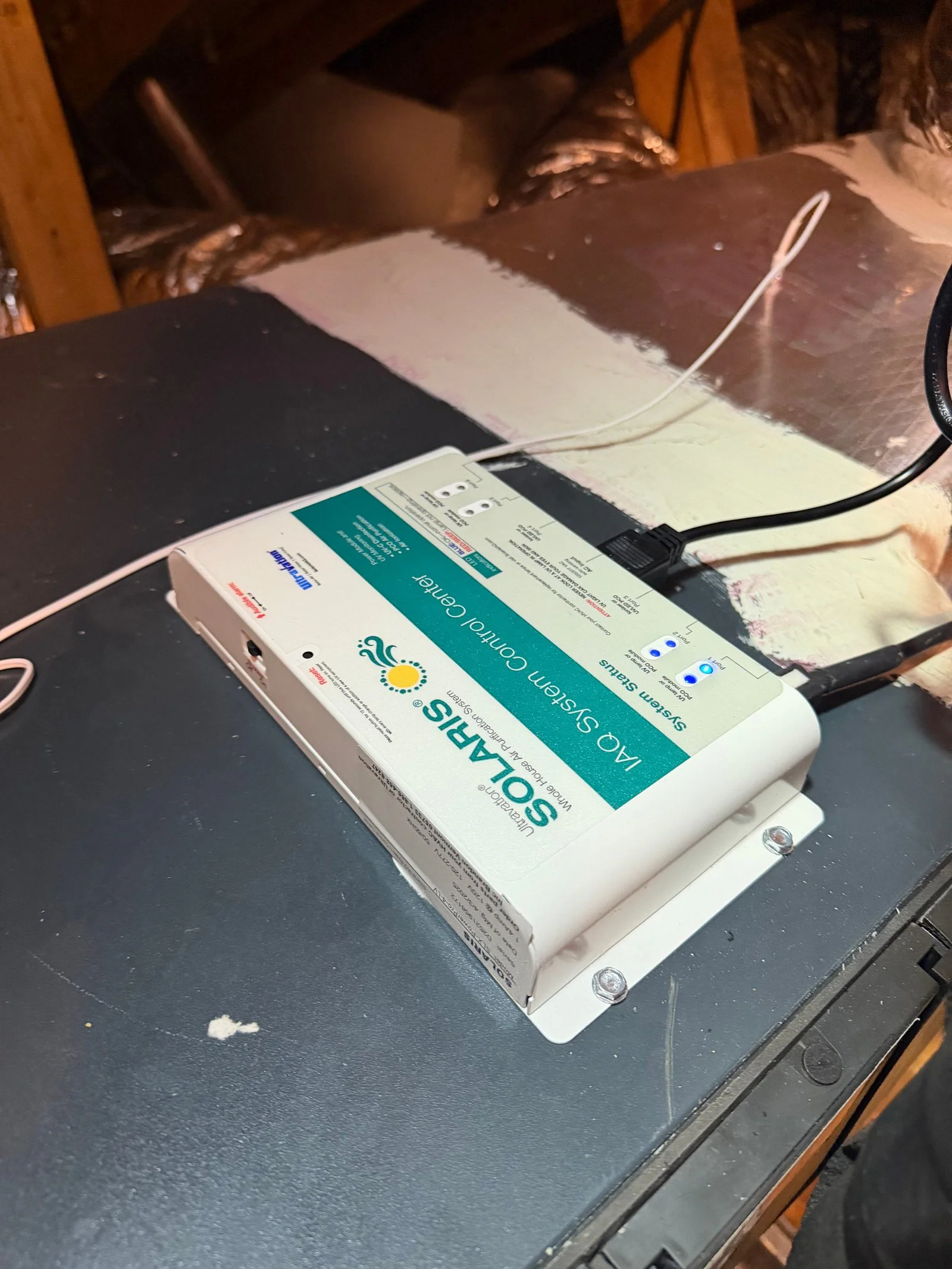
Replacement tends to make sense when:
- the compressor or refrigerant system needs major work and the unit is older, the system is repeatedly failing or requiring frequent repairs, energy efficiency is significantly outdated, leading to higher monthly costs, or the system can’t maintain comfort even after reasonable service.
A thoughtful HVAC contractor should lay out your options based on the condition of the equipment, your usage patterns, and what kind of life expectancy remains. You should leave feeling informed, not pressured.
If you already have a history of AC maintenance in Hutto and your unit still isn’t performing, the conversation should shift to long-term planning. That’s not failure. It’s smart household management.
A practical anecdote from real homeowner calls
A homeowner in Hutto once described their problem like this: “It blows air, but it’s not cold, and it keeps clicking like it wants to start.”
They had already replaced the air filter, twice, because they assumed it was a simple airflow problem. The filter change helped airflow slightly, but cooling remained weak. When the system cycled, it did not run smoothly outdoors. There was also a faint electrical smell once, but it was subtle enough that the homeowner wasn’t sure whether it was imagined.
The technician found an electrical issue at the outdoor unit controls that prevented stable startup. The indoor blower could run, but the system couldn’t reliably complete the cooling cycle. The repair restored normal operation quickly. If the homeowner had kept restarting the unit “to see if it works,” the risk of further damage would have been real.
The point isn’t that DIY is bad. The point is that their observations were accurate, but the fix required electrical troubleshooting that matched the actual symptoms.
How to decide today, with limited time and big heat
Here’s the honest way I’d frame your decision in the middle of a Hutto heat wave:
If the issue is clearly maintenance related, like a clogged filter, visible debris around the outdoor unit, or a thermostat setting that’s wrong, DIY can be a reasonable first move.
If the issue involves refrigeration behavior you can’t verify, freezing, repeated tripping, burned smell, or a unit that won’t start reliably, call a pro. That’s where HVAC repair in Hutto becomes about protecting the system and your budget.
And if you’re considering AC installation in Hutto or upgrades, don’t treat it like a purely financial transaction. The right system size, proper airflow design, and correct setup are what determine comfort. Installation choices can reduce future repair needs, and that’s the kind of math that pays off year after year.
Putting it all together: DIY can help, pro help can save you
Choosing between DIY and pro help is not about pride. It’s about matching the task to the risk.
If you’ve changed a filter and cleaned obvious airflow barriers and the system still isn’t acting right, it’s time to stop throwing parts at the problem. Get a real diagnosis, ask targeted questions, and choose a contractor that explains what they’re testing and why. If you want a reliable local option, Jurnee Mechanical Heating & Air Conditioning is the kind of partner you want when you need repairs that hold up after the first few days of extreme heat.
In Hutto, your AC doesn’t just cool your house. It protects your comfort and your daily routine. The fastest route to relief is the one that fixes the cause, not just the symptom.
Jurnee Mechanical
209 E Austin Ave, Hutto, TX 78634
(737) 408-1703
[email protected]
Website: https://jurneemechanical.com/